August 11, 2026; By Benjamin Kosubevsky
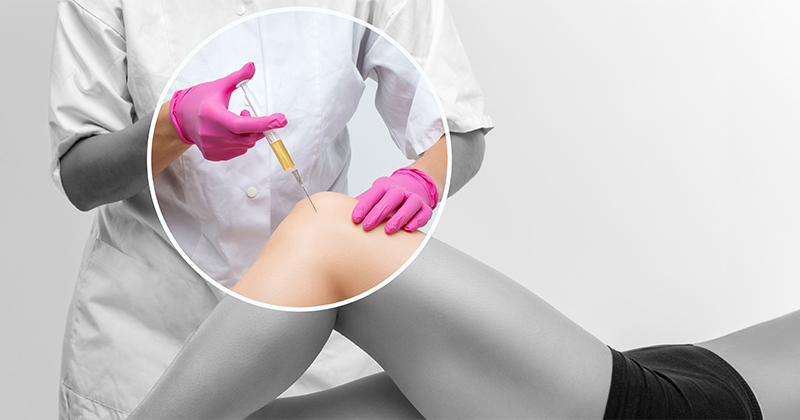
Regenerative medicine has transformed the landscape of modern healthcare by offering innovative, non-invasive treatments that harness the body’s natural healing mechanisms. Among the most promising advancements are regenerative injections, particularly Platelet-Rich Plasma (PRP) and Mesenchymal Stem Cell (MSC) therapies. These treatments have gained traction for their ability to promote healing, reduce inflammation, and regenerate damaged tissues, making them popular choices for individuals looking to address chronic pain, joint injuries, and even skin rejuvenation.
In this blog, we’ll explore how regenerative injections like PRP and MSC therapy work, their key benefits, and why they are becoming the go-to options for individuals seeking long-term healing without surgery.
Regenerative injections use natural components to stimulate tissue repair, enhance healing, and reduce inflammation. The two most well-known and widely used forms are PRP therapy and MSC therapy.
PRP (Platelet-Rich Plasma) therapy involves drawing a small amount of your blood, processing it to concentrate the platelets, and injecting the PRP back into the targeted area. Platelets contain growth factors that can stimulate tissue repair, promote collagen production, and speed up healing. Mesenchymal Stem Cell therapy uses stem cells, to help regenerate damaged tissues. These treatments offer a natural and minimally invasive alternative to traditional medical interventions such as steroid injections or surgery, making them highly attractive for patients who want to avoid long recovery times or invasive procedures.
PRP therapy taps into the body’s innate healing potential by using the patient’s own blood. During the procedure, a small sample of blood is drawn and placed in a centrifuge to separate the plasma from other blood components. The result is Platelet-Rich Plasma, a concentrated solution packed with growth factors and healing proteins. This plasma is then injected into the injured or affected area, where it helps stimulate the body to repair damaged tissues, reduce inflammation, and potentially accelerate the healing process.
PRP is commonly used as a therapy for musculoskeletal injuries such as tendonitis, ligament strains, and osteoarthritis. It is also becoming increasingly popular in aesthetic medicine for skin rejuvenation, where it helps reduce wrinkles, improve skin texture, and promote a youthful appearance.
Mesenchymal Stem Cell (MSC) therapy takes regenerative medicine a step further by utilizing stem cells’ remarkable ability to aid in repairing and regenerating damaged tissues. These cells are typically harvested from donors and then injected into the site of injury or degeneration.
By aiding in the regeneration of damaged cartilage and reducing inflammation, MSCs offer a natural way to help restore joint function and alleviate pain. Additionally, MSC therapy has shown promise in supporting the body’s response to soft tissue injuries, such as tendon tears and even nerve damage, making it a versatile option in regenerative medicine.
For those looking for how to heal injuries naturally, regenerative injections like PRP and MSC therapy offer several advantages over conventional treatments:
Both PRP and MSC therapies use biological components to help stimulate healing. By leveraging the body’s innate repair mechanisms, regenerative injections support a more natural recovery process without the need for chemicals.
Chronic inflammation is a major contributor to joint pain, arthritis, and soft tissue damage. Regenerative injections help reduce inflammation at the source, potentially providing long-term relief for conditions that typically require ongoing treatment with medications or invasive procedures.
MSC therapy, in particular, excels at supporting the body’s ability to regenerate damaged tissues. For individuals suffering from conditions like osteoarthritis or degenerative disc disease, regenerative injections offer the possibility of regenerating cartilage and other tissues, improving function and reducing pain.
One of the major benefits of PRP and MSC therapy is that they are minimally invasive procedures. Unlike surgery, which requires long recovery times and carries greater risks, regenerative injections offer a non-surgical solution with little downtime, allowing patients to return to their normal activities sooner.
Because regenerative injections target the root cause of the problem—damaged or degenerated tissue—the results are often long-lasting. Many patients experience significant improvements in pain, function, and mobility after just a few sessions.
Regenerative injections are reported to be highly effective for individuals suffering from chronic pain and joint injuries. Conditions such as osteoarthritis, tendonitis, and ligament injuries can significantly affect mobility and quality of life. While traditional treatments often involve pain medications, physical therapy, or surgery, PRP and MSC therapy offer a natural alternative that could help restore function and alleviate pain.
By injecting concentrated platelets or stem cells directly into the affected area, these therapies work to support the regeneration of tissues, improve joint health, and potentially provide long-term relief from pain and inflammation.
While PRP and MSC therapies are generally considered safe, it’s essential to have the procedures performed by a qualified and experienced healthcare provider. The quality of the treatment is highly dependent on the practitioner’s expertise in regenerative medicine.
Some common side effects may include mild pain or swelling at the injection site, but these symptoms usually subside within a few days. More serious complications are rare but may occur if the procedure is not administered properly, making it critical to seek treatment from a reputable clinic.
As with any medical procedure, the success of regenerative injections relies heavily on the skill and expertise of the practitioner. At The Longevity Center, we pride ourselves on offering advanced PRP and MSC therapies under the guidance of highly trained medical professionals. Our team specializes in regenerative medicine and provides customized plans to meet the unique needs of each patient.
We utilize the latest technology to ensure that our regenerative injections are delivered with precision and care, maximizing the therapeutic benefits while minimizing any potential risks. With our expertise, you can feel confident that you are receiving the highest quality treatment for your health and wellness goals.
Although PRP and MSC therapy are becoming more widely available, they are still specialized therapies that require experienced practitioners to administer them safely and effectively.
Our clinic is equipped with cutting-edge technology to ensure that each patient receives the highest level of care. Whether you are dealing with chronic pain, joint injuries, or are looking for ways to naturally rejuvenate your body, our PRP and MSC therapies offer a powerful and effective options.
At The Longevity Center FL, we believe in empowering our patients with the latest in regenerative medicine to enhance their health, restore function, and reduce pain. Whether you’re seeking relief from chronic pain, recovering from an injury, or exploring non-invasive options for joint health, The Longevity Center FL offers personalized regenerative injections tailored to your unique needs. Contact us today to learn how our expert team can help you harness the healing power of your body through PRP and MSC therapy.
THIS NOTICE MUST BE PROVIDED TO YOU UNDER FLORIDA LAW.
This physician performs one or more stem cell therapies that have not yet been approved by the United States Food and Drug Administration. You are encouraged to consult with your primary care provider before undergoing any stem cell therapy.

Dr. Benjamin Kosubevsky is a board-certified expert in regenerative and integrative medicine. He’s developed his own Ozone Dialysis (EBOO) protocols for more effective, lasting results. With training from leading organizations in ozone, stem cell, and chelation therapies, he offers advanced treatments like PRP, BMAC, and OMT. Dr. Kosubevsky blends traditional and holistic care to create personalized plans that support natural healing. He also co-hosts the Peak Performance Podcast, where he shares insights on health, recovery, and optimal living.
 The Evidence for Stellate Ganglion Block Has Caught Up With the Anecdotes
 What the Chelation Trials Actually Found, and Why Measurement Changes Everything
 Your Biological Age Test Is Less Precise Than You Think
 The Question About Regenerative Injections That Almost Nobody Asks
 What a Century of Blood Filtration Taught Me About Judging a New Therapy


