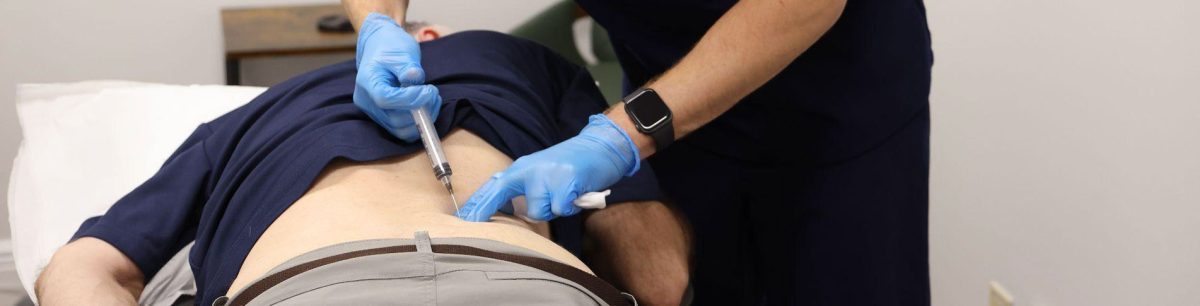
What is Tissue Allograft Therapy?
Tissue allograft therapy involves the use of donated human tissues, which are rich in growth factors, cytokines, and stem cells. These tissues are processed and administered to patients to support the body’s natural healing processes and repair damaged tissues.
Understanding Tissue Allograft Applications
Tissue allograft therapy is a revolutionary approach to supporting the body’s natural healing. At The Longevity Center FL, we use tissue allograft treatments for a variety of health concerns, ensuring the care you receive aligns with your condition and goals. This therapy can address musculoskeletal injuries, enhance joint function, and promote faster recovery from tissue damage.
These treatments integrate seamlessly into recovery plans and proactive health strategies, offering specific solutions for effective outcomes.
Precision That Drives Results
The effectiveness of ultrasound-guided allograft injections relies on precision, and at our clinic, we make it a top priority. We use state-of-the-art techniques to deliver tissue allografts exactly where they’re needed. This strategy enhances efficiency and maximizes the body’s natural ability to repair damaged tissues. It also reduces inflammation swiftly and effectively.
By directly targeting the site of discomfort or injury, we optimize the impact of tissue allograft therapy, empowering patients to return to their best quickly.
Path to Regenerative Healing
Tissue allografts support regenerative healing by stimulating the body’s repair processes at a cellular level. These allografts act as a rich source of growth factors, cytokines, and other potent biological components that kickstart tissue regeneration. Think of it as giving your body the advanced tools it needs to rebuild itself in a way that supports long-term strength and function.
Advanced Techniques You Can Count On
When deciding to offer tissue allograft in West Palm Beach, we wanted innovation to drive our practice. That’s why we use advanced tools, such as ultrasound-guided injections, to guarantee the highest level of care. Whether it’s joint issues, ligament repair, or soft tissue support, you can trust our accuracy-driven techniques. We’ll start with a comprehensive evaluation to pinpoint the source of your discomfort or injury. From there, we design a personalized treatment plan that maximizes your healing.
Start Your Healing Journey Today
Your health deserves more than a one-size-fits-all solution. When you choose The Longevity Center FL for tissue allograft therapy, you gain a partner who invests in your recovery and overall wellness. From our advanced regenerative medicine to our patient-centered care philosophy, we care about you!
If you’re interested in tissue allograft in West Palm Beach, let us handle your treatment plan. Schedule your consultation today to explore how our therapies can support your health and help achieve lasting results.
Frequently Asked Questions
What is tissue allograft therapy?
Tissue allograft therapy uses donated human tissue products, such as placental tissue, to support healing and regeneration. These products contain growth factors, structural proteins, cytokines, and other bioactive molecules intended to improve the local healing environment. They are used for joint pain, soft-tissue injuries, and wound healing. Because allografts come from a donor rather than your own body, screening, processing standards, and product sourcing are important considerations.
How are tissue allografts different from stem cells?
Allografts primarily provide growth factors and structural proteins that support healing. Autologous procedures such as bone marrow concentrate are a genuinely different category. Your provider can explain what the specific product used actually contains.
What conditions are treated with tissue allografts?
Tissue allografts are used for joint pain, osteoarthritis, soft-tissue and tendon injuries, wound healing, and some anti-aging protocols. They may be injected into joints or soft tissue, or combined with other regenerative procedures such as PRP or prolotherapy. A thorough evaluation, often including imaging, determines whether an allograft is appropriate for your condition and stage of degeneration.
Is tissue allograft therapy safe?
Products are screened for infectious disease and processed according to FDA standards for human cells and tissue products. Risks include infection, local inflammation, and immune reaction, though these are uncommon. The clinic uses reputable, properly registered products and sterile technique. Patients should be aware that FDA enforcement actions have targeted some unregistered or improperly marketed allograft products, which is why sourcing matters.
How is tissue allograft therapy administered?
Allograft material may be injected directly into a joint, into surrounding soft tissue, or delivered in combination with other regenerative procedures. Imaging guidance such as ultrasound is often used to confirm accurate placement. The method depends on the condition being treated and the specific product. You will receive preparation and aftercare instructions, including activity guidance for the days following the injection.
Is tissue allograft therapy FDA approved?
Many allograft products are regulated as human cells, tissues, and cellular and tissue-based products, known as HCT/Ps, under section 361 of the Public Health Service Act. That regulatory pathway governs how they are processed and labeled, but it is not the same as FDA approval for a specific therapeutic use, and most orthopedic and anti-aging claims are off-label. Your provider explains the regulatory status and evidence during informed consent.
How long does tissue allograft therapy take to work?
Results may begin within 4 to 12 weeks and continue improving over several months as tissue remodeling occurs. Multiple sessions are sometimes recommended depending on the condition and response. Outcomes vary considerably between individuals. Progress is reviewed at follow-up so the plan can be adjusted.
Can allografts be combined with PRP?
Yes. Providers may combine allografts with PRP or prolotherapy to enhance the regenerative environment, since these approaches work through complementary mechanisms. Combination decisions are based on your specific condition, imaging findings, goals, and budget. Your provider will explain the rationale for any combination recommended and whether the added cost is justified by the expected benefit for your situation.
Who is a candidate for tissue allograft therapy?
Patients with joint or soft-tissue degeneration who want alternatives to corticosteroid injections or surgery may be candidates. A thorough evaluation including physical examination and imaging is required. Patients with active infection, certain cancers, or advanced structural damage requiring surgical repair are generally not appropriate candidates. Your provider will discuss whether an allograft, PRP, or a surgical consultation makes the most sense for your stage.
Are allografts from fetal or embryonic tissue?
No. Common products use placental tissue donated by consenting mothers after scheduled cesarean births, using tissue that would otherwise be discarded. These are not derived from embryos or from terminated pregnancies. The clinic can explain the source, donor screening, and processing method for any product used, and this information should be available from the tissue bank for every lot.
The information in these FAQs is for educational purposes only and is not a substitute for professional medical advice, diagnosis, or therapy. Individual results vary. Some therapies discussed are considered off-label or investigational and are not FDA-approved for all conditions. Consult with a licensed provider at The Longevity Center FL to determine what is appropriate for you.