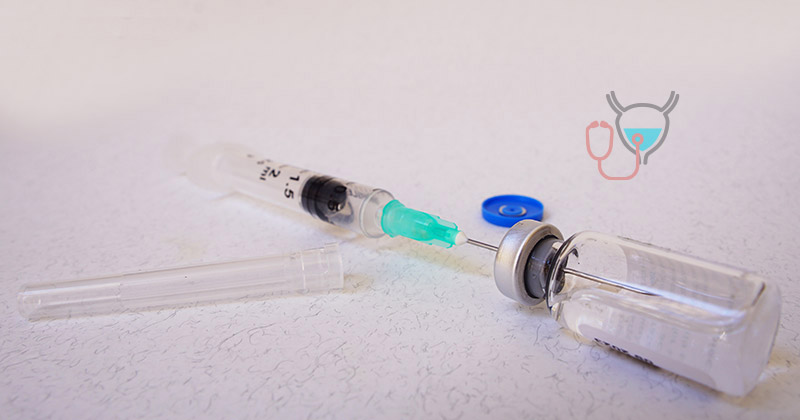
Ozone prostate injection therapy is a minimally invasive technique in which a precise, medical-grade ozone (O₃ + O₂) gas mixture is delivered directly into or adjacent to the prostate under image guidance. The goal is to harness ozone’s potential anti-inflammatory, immunomodulatory, antimicrobial, and oxygenation-enhancing properties to support prostate tissue health and function.
This therapy is offered as a complementary, cash-pay option (out of network). It is not intended as a stand-alone cure or substitute for standard urologic evaluation, surgical interventions, or cancer care where indicated.
How It Works / Proposed Mechanism of Action
While the full mechanism is not definitively established, proposed effects of ozone in tissues include:
Improved tissue oxygenation and perfusion, helping reduce local hypoxia
Modulation of inflammation, shifting the immune milieu toward resolution
Antimicrobial / pathogen modulation in the context of chronic prostatitis or microbial dysbiosis
Stimulation of antioxidant defenses & cellular repair pathways
Some small clinical and preclinical studies suggest that intraprostatic ozone injections may modestly reduce prostate volume in benign prostatic hyperplasia (BPH) settings. PMC+1In contexts of chronic prostatitis / chronic pelvic pain syndrome (CP/CPPS), ozone therapy (in other delivery modes) has shown improvements in urinary symptoms, pain, and quality of life in limited studies. ResearchGate+1
Potential Benefits (What Patients Often Seek)
Among patients pursuing ozone prostate injections, reported benefits (in observational settings) include:
Reduction in inflammation and swelling of prostate tissue
Improved overall urinary comfort or nighttime frequency
Support of adjunct prostate therapies (e.g. dietary, lifestyle, bladder retraining)
Who Is a Candidate?
You may be a candidate if:
You have ongoing prostate symptoms (e.g. urinary frequency, irritation, discomfort) not fully resolved by conventional measures
You have benign prostate enlargement or history of chronic prostatitis / CP/CPPS
You are committed to multimodal care and understand the experimental nature
You have had urologic imaging (MRI, ultrasound, PSA, etc.) and clearance from a urologist as needed
You may not be a candidate if:
You have untreated prostate cancer, suspicion of aggressive malignancy, bleeding disorders, active infection in the urinary tract, or contraindications to gas injection
You are unwilling to accept that this therapy is investigational
You require urgent or standard surgical therapy (e.g. severe urinary obstruction that risks renal damage)
What to Expect: Procedure & Timeline
Phase
What Occurs
Typical Duration / Notes
Consultation & evaluation
Review of prostate history, PSA, imaging, lab work, risk assessment
15-30 min
Injection session
Under sterile conditions and local anesthesia, small volumes of ozone gas are delivered into pre-specified prostate zones
~30 min
Post-procedure monitoring
Short observation for urinary discomfort, local irritation
30–60 min
Recovery & care
Mild dysuria or pelvic pressure may occur for 24–48 h; hydration, limited strenuous activity
1–2 days
Follow-up & assessment
Clinical and symptomatic evaluation, possibly imaging / PSA checks
Over weeks to months
Repeat treatments (if indicated)
Some patients undergo 1–6 sessions spaced by 1-2 weeks depending on response
Up to 3–4 months
Symptom improvements may begin within several weeks, with continued adjustment over months based on clinical feedback.
Why Choose The Longevity Center FL for Ozone Prostate Injections?
Expertise in regenerative, biologic, and integrative therapies
Experience in precise image-guided injection techniques
Comprehensive assessment and monitoring protocols
Integration with lifestyle, dietary, and adjunctive prostate support strategies
Patient-centered care with full transparency of risks, benefits, and evidence
We approach ozone prostate therapy with humility, acknowledging the cutting-edge status of the therapy while striving for maximal safety and patient comfort.
FAQ & Considerations
Ozone prostate injection therapy involves administering ozone-oxygen gas into or around the prostate to support prostate and pelvic health. It is used off-label for chronic prostatitis, chronic pelvic pain syndrome, and lower urinary tract symptoms that have not responded to conventional treatment. Ozone therapy is not FDA-approved for these or any medical indications, and your provider reviews the regulatory status and evidence during informed consent.
It is most commonly used for chronic prostatitis, chronic pelvic pain syndrome, and persistent lower urinary tract symptoms in men who have not improved with antibiotics, alpha blockers, or pelvic floor therapy. It is not a therapy for prostate cancer or for benign prostatic hyperplasia requiring surgical management. Any man with urinary symptoms should have appropriate urologic evaluation, including PSA testing where indicated, before pursuing this therapy.
Depending on the protocol and clinical judgment, ozone may be administered via a transrectal approach or by direct injection using imaging guidance. Sterile technique is important given the risk of introducing bacteria. Your provider will explain the specific approach planned, the preparation required, and what sensations to expect during and after the procedure.
A series of sessions spaced over several weeks is typical, with the exact number depending on symptom severity and response. Your provider reassesses partway through rather than committing to a fixed course upfront. If symptoms are not improving after an initial series, continuing indefinitely is not recommended and further urologic evaluation may be warranted.
Patients report improvement in urinary symptoms and pelvic discomfort. It is not a cure for prostate conditions and does not reduce prostate size the way medications or surgical procedures can. Men with significant obstruction, retention, or elevated PSA need conventional urologic management rather than ozone therapy alone.
Men with chronic pelvic pain or chronic prostatitis who have not responded adequately to standard therapies including antibiotics, alpha blockers, anti-inflammatories, and pelvic floor physical therapy may be considered. A full evaluation is required, and serious causes of symptoms must be ruled out first.
Temporary pelvic fullness, mild discomfort, urinary urgency, or altered urinary sensation may occur and usually resolve within a few days. Some patients notice a small amount of blood in the urine or semen afterward. Contact the clinic promptly if you develop fever, chills, inability to urinate, or significant bleeding, as these may indicate infection or another complication requiring immediate attention.
Yes. It can be combined with pelvic floor physical therapy, lifestyle modification, targeted supplements, stress management, and conventional urologic therapy when appropriate. Chronic pelvic pain syndrome frequently involves musculoskeletal and nervous system components alongside any prostatic factor, so multimodal care often works better than any single intervention. The clinic can coordinate with your urologist.
Next Steps — Schedule Your Prostate Consultation
If you are interested in exploring whether ozone prostate injection therapy might support your prostate health journey, the next step is to schedule a consultation. During that visit, we will:
Review your prostate history, imaging, labs, and risk factors
Determine candidacy, safety, and protocol
Outline expected risks, benefits, and cost
Craft a personalized plan comprising injections and adjunctive therapies
Book your consultation today to see whether this innovative approach might play a role in your prostate health strategy.
How Ozone Prostate Injections May Support Urinary Comfo
Restoring Balance Through Oxygen and Circulation
As men age, subtle shifts in circulation, hormones, and tissue function can impact comfort, energy, ...
What Men Over 50 in South Florida Should Know About Pro
If you are a man over 50 in Wellington, Weston, or the surrounding communities, your annual physical probably includes a PSA test. And if the number c...
Enlarged Prostate, Prostatitis, and the Limits of Conve
If you are a man living in Parkland, Coral Springs, or the broader western Broward County area and you have been managing an enlarged prostate or chro...